

Table of Contents
- Why Screen-Free Activities Matter for Toddler Development
- Screen-Free Activities for Toddlers That Build Skills
- Quiet Activities for Toddlers When You Need Focus Time
- Activities to Keep Toddlers Busy Indoors
- Faith-Based Activities for Toddlers
- Transitioning Away from Screen Time: Practical Strategies
- Frequently Asked Questions
Last Updated: October 12, 2026
Why Screen-Free Activities Matter for Toddler Development
Screen-free activities for toddlers aren't just a nice-to-have, they're essential for how young children develop.
The challenge is knowing which activities actually work. Not every quiet activity keeps a toddler engaged, not every craft is age-appropriate, and not every suggestion fits a busy day.
At Brandy Clark, we understand this tension. We've created resources that help families build screen-free time into their routines out of genuine connection and growth.
Screen-Free Activities for Toddlers That Build Skills
The best screen-free activities for toddlers do more than keep them busy, they develop specific skills. They work because they match how toddlers naturally learn: through touch, exploration, and repetition.
Sensory Play and Hands-On Exploration
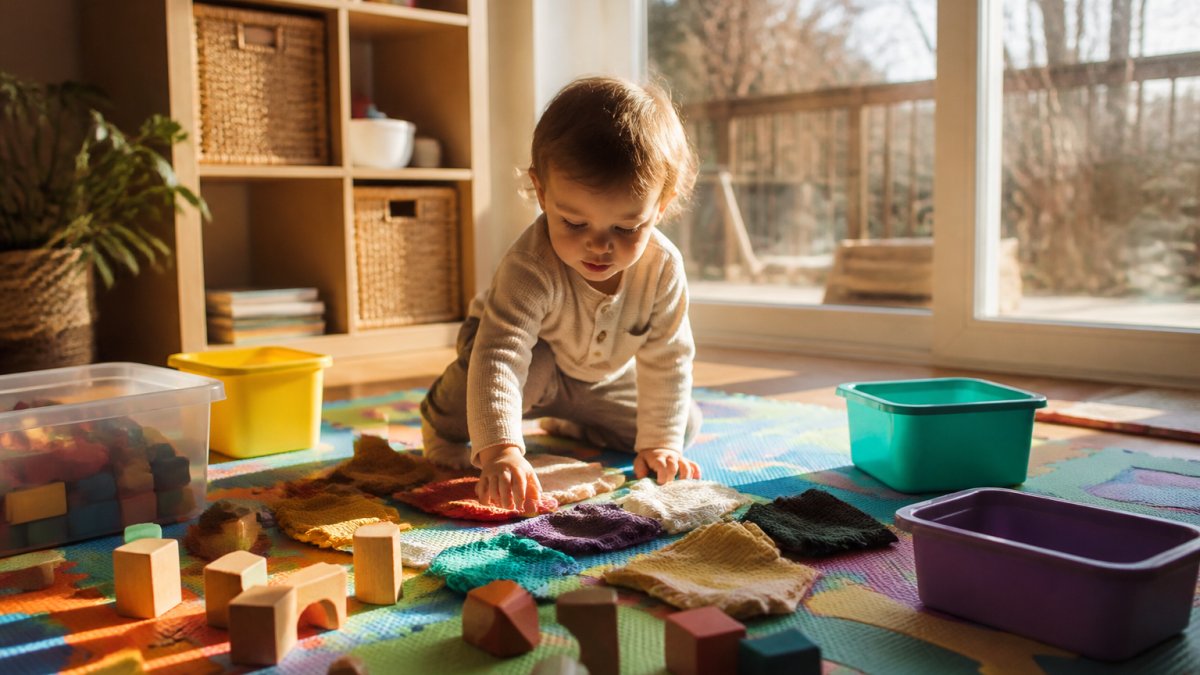
Sensory play is where toddlers learn about the world. Running fingers through dried pasta, squeezing playdough, or splashing water builds fine motor skills and spatial awareness at once.
Simple sensory bins work best. Fill a shallow container with dried rice, beans, or kinetic sand, add scoops and small toys, and let your toddler dig, pour, and transfer for 15 to 20 minutes.
Scratch and Sniff books add another sensory dimension. The Scratch and Sniff: Fruits of the Spirit features embroidered patches and scent elements on every page, so toddlers touch, scratch, and hear you read the rhyming text all at once.
Creative Play Through Arts and Crafts
Arts and crafts build creativity and fine motor control. Keep setup simple so you're not dreading the mess.
Coloring with chunky crayons works for toddlers 18 months and up. Large coloring books give them enough space to stay inside the lines without frustration.
For mess-free drawing, try a reusable doodle board with an LCD screen and stylus. The Doodle Delete Repeat: My First Bible Stories features Bible-themed prompts on each page, and mistakes erase with a button click, so your child stays focused on creating.

Paint with water on black paper or chalkboards for a completely mess-free option: color appears, then disappears as the water dries, an endless cycle of discovery.
Building and Puzzle Activities
Building toys develop spatial reasoning and problem-solving. Blocks are timeless for a reason.
Wooden blocks, plastic blocks, and stacking cups all work. Start larger for toddlers 18 months to 2 years, then progress to smaller ones.
Puzzles with large, chunky pieces work for toddlers 2 years and up. Start with 2 to 4 pieces and increase complexity as your child masters them. Puzzles build patience and persistence.
The God's Farmyard Animals board book includes a built-in abacus for sliding beads along tracks, encouraging sensory play and improving hand-eye coordination.

| Activity Type | Best Age | Duration | Skill Built |
|---|---|---|---|
| Sensory bins | 12 months+ | 15-20 min | Fine motor, exploration |
| Coloring | 18 months+ | 10-15 min | Hand control, focus |
| Building blocks | 12 months+ | 20-30 min | Spatial reasoning |
| Puzzles | 24 months+ | 10-20 min | Problem-solving, persistence |
| Doodle boards | 3 years+ | 15-25 min | Creativity, fine motor |
Quiet Activities for Toddlers When You Need Focus Time
Some days you need your toddler engaged while you handle a work call, a meal, or a few minutes of quiet. The trick is matching the activity to how much attention you can give. Below, activities are grouped by caregiver availability, with setup and cleanup effort noted.
Independent Play (Caregiver Nearby but Occupied)
These work best when you are in the same room but not actively playing. Toddlers still need supervision, so keep the setup low-risk and the space contained.
Rotated toy basket. Keep four to six toys in a basket and swap the contents every week or two. A toddler who has not seen a toy in ten days treats it as new. Setup time: under 2 minutes.
Playdough station.
Water play in a shallow bin. A dishpan with 2 to 3 inches of water, plus cups, funnels, sponges, and floating toys, keeps toddlers engaged for 15 to 30 minutes. Constant supervision is required, and never leave a toddler alone near water even for a moment (the CDC).
Felt or peek-through board books. Books with felt flaps, peek-through windows, or textured patches give toddlers something to do with their hands while you stay nearby. Setup and cleanup: none. Best for 12 months and up.
Shared Play (Caregiver Can Participate)
These need you in the activity, but they are still calm and contained.
Puzzle time. Start with 2- to 4-piece chunky puzzles around 24 months, and move up as your child masters each one. Setup and cleanup: 1 minute each.
Color sorting. Use a muffin tin and large pom-poms or blocks in two or three colors, naming the colors as you sort together. Setup and cleanup: 2 minutes each.
Simple songs with actions. Songs like "The Wheels on the Bus" or "Itsy Bitsy Spider" pair words with hand motions and hold attention without materials. Setup and cleanup: none. Best for 12 months and up.
Low-Prep Backup Ideas
For the days when you have two minutes and no plan, keep these in rotation:
- A cardboard box and washable markers (supervise closely; markers are not for mouths).
- A stack of large plastic containers and lids for nesting and stacking.
- Masking tape on the floor as a "road" for toy cars.
- A laundry basket and soft balls for tossing.
Matching the Activity to Your Toddler
Not every toddler will take to every quiet activity. Some prefer texture and movement, others looking and listening. If your toddler loses interest in two minutes, try a different category rather than pushing the same one. A child who won't sit for puzzles may happily transfer pom-poms between bowls for ten minutes. Attention spans at this age are short, so rotating between two or three quiet activities in one sitting is normal.
Busy Windows Bible Stories (Felt Board Book) →
Activities to Keep Toddlers Busy Indoors
Rainy days and cold weather require a rotation of indoor activities. Switch between activity types every 20 to 30 minutes to keep toddlers from getting bored.
Reading and Storytelling
Reading builds language skills and creates calm moments. Board books with sturdy pages work best for toddlers who still mouth objects or handle books roughly.
The My First Bible Stories uses simple rhyming text and hand-stitched illustrations designed for babies and toddlers. Each story is short enough to hold attention while introducing faith concepts early, and the padded board pages and embroidered felt patches give toddlers multiple ways to interact.
Storytelling without books works too. Use stuffed animals as characters. Act out simple stories with props. Your toddler learns language and creativity through your narration.
Outdoor Play and Nature Exploration
When weather allows, outdoor play is the most engaging screen-free activity available. Toddlers naturally gravitate toward exploration: touching grass, digging in dirt, and chasing insects.
Keep outdoor time simple. A sandbox, a few buckets, and a shovel provide hours of engagement. Ball play develops gross motor skills, while running, climbing, and swinging build strength and confidence.
Nature exploration teaches observation. Point out birds, insects, leaves, and flowers. Let your toddler pick dandelions or collect sticks. This unstructured exploration builds curiosity and connection to the natural world.
Faith-Based Activities for Toddlers
For Christian families, faith-based activities weave spiritual growth into daily play, introducing Bible stories, prayer concepts, and spiritual values in age-appropriate ways.
Bible story books designed for toddlers use simple language and engaging illustrations. The Vivian's Perfectly Imperfect Garden tells a charming story based on the Parable of the Sower, designed to delight young readers and parents alike.
Sensory faith activities combine learning with play. The Jesus Loves You Squishy offers sensory squishy play with an adorable poem and comes in a gift-ready box printed with a sweet poem.
Activity books with faith themes keep toddlers engaged while introducing spiritual ideas. The God's Underwater World Activity Book features mazes, search scenes, and press-out cards designed around God's creation.

Transitioning Away from Screen Time: Practical Strategies
Most screen-free activity lists stop at the ideas. The harder part is getting from screen to no-screen without a meltdown.
Start with a Screen-Time Audit
Before changing anything, track when screens actually happen for three days. Write down the time, the device, and what triggered it. Common patterns include a morning routine gap, a post-nap slump, and the pre-dinner stretch while you cook. Look for one or two slots to replace first, not a total overhaul.
Use a Countdown, Not a Cutoff
Toddlers handle endings better when they can see them coming. Give a warning at five minutes, then two, then at the end, pairing it with what comes next: "After this song, we turn off the tablet and get the blocks." Make the next activity sound like the destination, not the punishment.
A simple script: "Two more minutes, then we say bye-bye to the screen and hello to the blocks." When the time comes, follow through calmly and immediately. Delays teach your toddler that the boundary is negotiable.
Build a Visual Routine
Toddlers cannot read, but they can follow pictures. Create a chart with three or four images in order: breakfast, books, blocks, outside. Walk to it together and point to what comes next. This gives your toddler a sense of control and reduces the "what now?" resistance that pulls them back toward screens.
Replace One Slot at a Time
Pick the easiest slot first, often when your toddler is already calm and fed. Replace it with a specific activity, not a vague "go play." A named activity ("sensory bin time") is easier to start than an open-ended instruction. Once that slot holds for a week, add the next one.
Handle Resistance Without a Power Struggle
If your toddler protests, acknowledge the feeling without reopening the decision: "You wanted more. It is hard to stop. Blocks are next." Then move physically toward the next activity. Offering two acceptable choices ("red blocks or blue blocks?") gives your toddler control inside the boundary you set.
If resistance is intense, check the basics first. A tired, hungry, or overstimulated toddler will struggle with any transition. A snack and a few minutes of quiet connection often do more than a new activity idea.
Make the Alternative the Easy Path
If the tablet is on the coffee table and the blocks are in a closed bin in another room, screens win by default. Keep two or three screen-free options visible and reachable at toddler height, rotate them weekly, and put the device out of sight during screen-free blocks, not just off.
Build Movement into the Routine
Toddlers have short attention spans for any single activity. Alternating quiet play (books, puzzles, playdough) with active play (dancing, running, climbing) keeps energy balanced and reduces the restlessness that leads back to screens. A simple rhythm is quiet, active, quiet, active, with each block lasting 15 to 25 minutes.
Expect Setbacks
A new routine takes time to feel normal, and sick days, travel, and schedule changes will disrupt it. When that happens, restart with the easiest slot rather than rebuilding the whole system at once. Consistency over time matters more than a perfect day.
Frequently Asked Questions
What can I replace screen time with for my toddler?
Replace screen time with hands-on activities like sensory play, building with blocks, coloring, reading picture books, and playing with toys that encourage imagination. Faith-based activities like Bible story books and simple crafts work well too. The key is rotating activities to keep engagement high without needing digital screens.
How can I help my toddler transition away from screen time?
Start by gradually reducing screen time while introducing engaging alternatives. Create a routine that includes dedicated playtime with toys, books, and crafts. Set clear expectations and stay consistent. Offer your own attention during transitions, sit with your toddler during reading time or play alongside them. This shows screens aren't the only source of entertainment or connection.
What are easy screen-free activities for toddlers when I need to get things done?
Set up independent play stations with puzzles, coloring books, or building blocks nearby. Sensory bins with safe household items hold attention for extended periods. Audiobooks and podcasts (without screens) provide engagement while you work. Faith-based activity books with stickers and mazes also work well for quiet, independent play that doesn't require your constant supervision.
Are screen-free activities good for my toddler's development?
Yes. Screen-free play builds fine and gross motor skills, creativity, focus, and patience. Hands-on activities strengthen problem-solving abilities and imagination. Reading and storytelling support language development. Sensory play and creative exploration help toddlers understand their world and build confidence in independent play.
0 comments